Why Understanding Threat Intelligence is Key to Cyber Security
In our increasingly connected world, cybersecurity is no longer just about firewalls and antivirus software. It's about staying one step ahead of a constantly evolving enemy. Just like a detective unravels a mystery, cybersecurity professionals are now diving into the world of Threat Intelligence to understand, predict, and ultimately neutralize cyber threats.
I recently had the pleasure of delivering a mini-lesson on this very topic, and I wanted to share some of the key takeaways that I believe are crucial for anyone interested in staying safe online – from individual users to large organizations.
What Exactly Is Threat Intelligence?
When we talk about cyber threats, it's easy to focus on the immediate: "My computer got a virus!" or "Someone tried to log into my email!" These are certainly concerns, but Threat Intelligence goes much deeper.
Imagine you get an alert that says, "IP address 192.168.1.1 tried to connect to your network." That's data. It tells you something happened. But what if you knew that "IP address 192.168.1.1 belongs to a known ransomware gang called 'CryptoLockers,' who typically target healthcare organizations to steal patient data"?
That's Threat Intelligence.
It's not just raw data or a list of "bad stuff." It's actionable and contextualized information about existing or emerging threats. It answers the crucial questions: who, what, when, where, why, and how an attack might occur. This context is what transforms a simple alert into a powerful insight that allows you to make informed decisions and truly mitigate risks.
The Threat Intelligence Lifecycle: A Continuous Journey
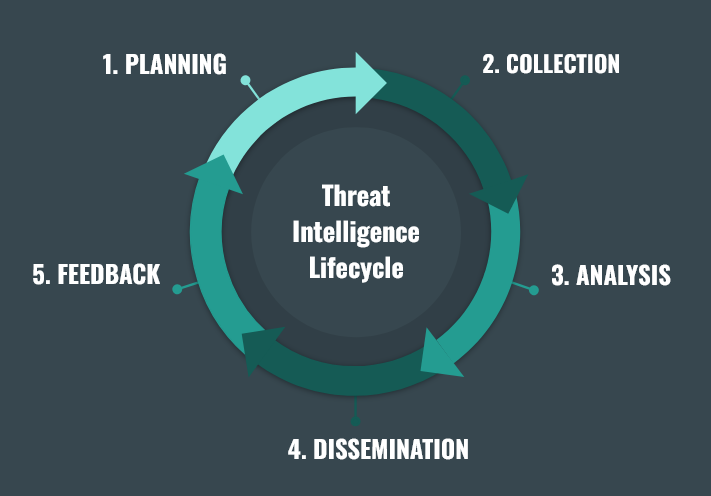
So, how do cybersecurity professionals gather and utilize this critical information? It's not a one-time download; it's a continuous, cyclical process known as the Threat Intelligence Lifecycle.
Here's a simplified breakdown:
- Planning/Direction: Before you start collecting anything, you need to know what you're looking for. What are your biggest concerns? What assets are most critical? This stage sets the compass for all your intelligence gathering.
- Collection: This is where the raw data comes in. Think open-source intelligence (OSINT) like public security blogs and forums, commercial threat intelligence feeds, dark web monitoring, and even data from your own network sensors.
- Processing & Analysis: This is often the most challenging but most rewarding stage. You take all that collected data, filter out the noise, enrich it with additional context, and look for patterns, trends, and connections. This is where you identify the attacker's tactics, techniques, and procedures (TTPs).
- Dissemination: Having brilliant intelligence is useless if it doesn't reach the right people in the right format. Whether it's a technical report for the security operations center (SOC) team or a high-level briefing for executives, the intelligence needs to be tailored and delivered effectively to enable action.
- (Feedback): A crucial, often overlooked, step is gathering feedback. Did the intelligence help? Was it clear? What could be improved for the next cycle? This ensures the process is constantly refined and becomes more effective over time.
Why Does This Matter to You?
Whether you're managing a corporate network or just your home Wi-Fi, understanding Threat Intelligence is incredibly powerful:
- Proactive Defense: Instead of just reacting to attacks, you can anticipate them. You can strengthen your defenses before an attacker even knocks on your door.
- Smarter Responses: If an incident does occur, having intelligence on the adversary's typical methods allows for a faster, more effective, and targeted response.
- Informed Decisions: For businesses, it helps leadership make better strategic decisions about cybersecurity investments and risk management. For individuals, it helps you understand why certain scams or threats are prevalent.
- Understanding Your Adversaries: It moves us beyond generic "hackers" to understanding specific threat actors, their motives, and their preferred tools.
Beyond the Basics
The world of Threat Intelligence is vast and fascinating. In future discussions, we could dive into the different types of intelligence (strategic, tactical, operational, technical), the myriad of sources available, and the powerful tools that analysts use.
The bottom line? In the digital age, knowledge is not just power; it's protection. By embracing the principles of Threat Intelligence, we can all become better equipped to unmask the adversary and build a more secure online world.